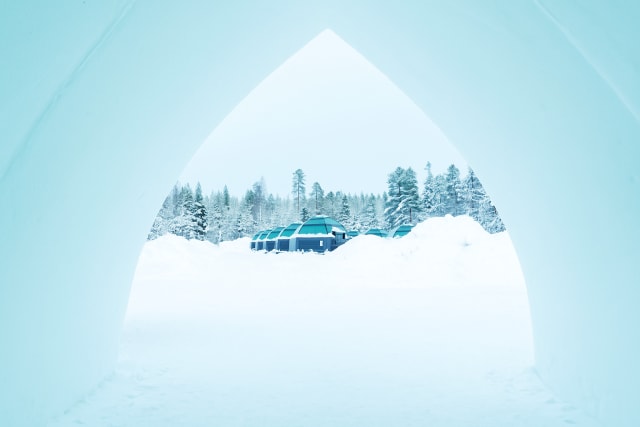
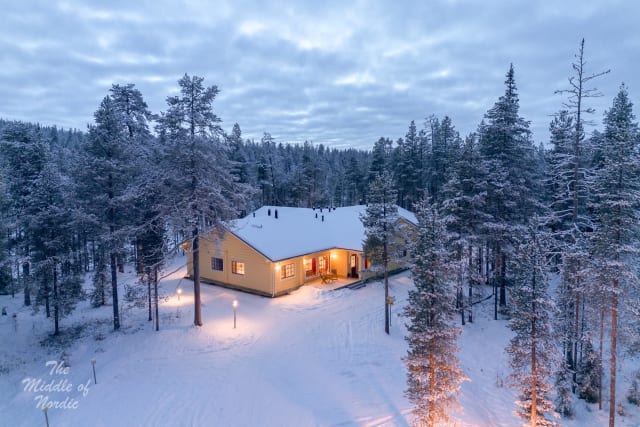
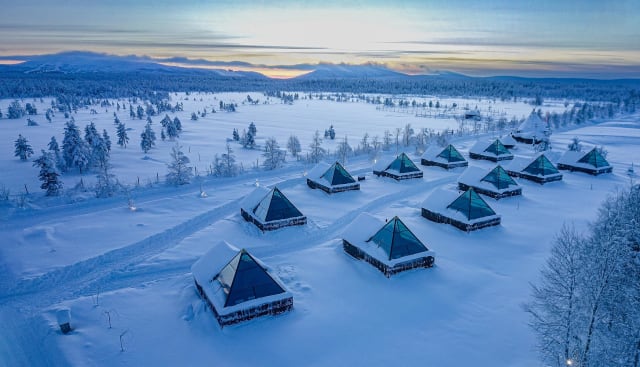
In October, Lapland changes season quickly. The autumn colours on the fells are over, the nights grow longer and the first snowfalls turn the landscape white: sometimes for a day, sometimes for the whole winter.
By November the north already looks wintry, but for a traveller it isn’t yet the same as January or March.
That’s exactly what makes the first snow interesting: few visitors, dark skies and the start of winter without the Christmas crowds.
When does the snow come?
There’s no single date.
In the far north, the first snow can fall as early as September, but the first snow and a lasting snow cover are two different things. According to the Finnish Meteorological Institute, snow arrives much earlier in Lapland, where winter lasts about seven months, than in southern Finland. Years vary a lot, though, and the first snow of autumn can melt away again.
So don’t expect a picture-postcard winter on an October trip. In November the chances of a properly snowy landscape are much better, especially in the north and at higher altitudes.
October
October is an in-between season.
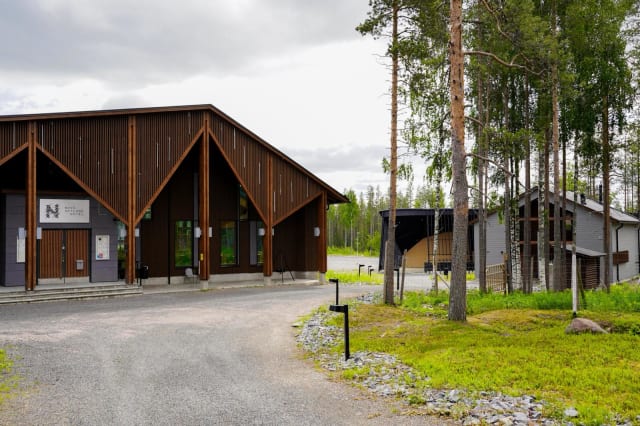
The autumn colours are mostly over in the north. The days shorten fast, and the ground can be white in the morning and wet by the afternoon. Some summer services have already closed, and the winter season isn’t yet in full swing.
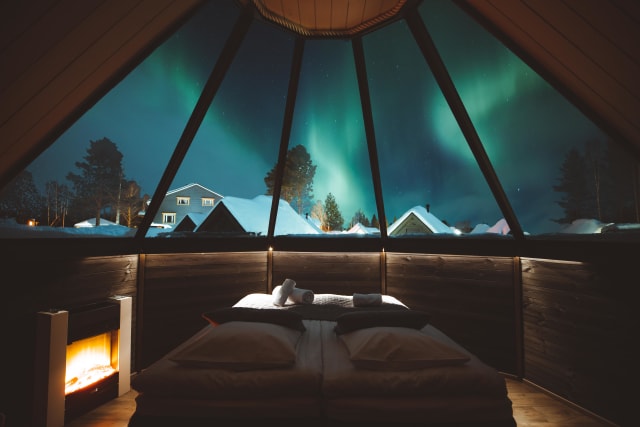
In return, you get peace and quiet. The nights are dark for the northern lights, accommodation can be easier to find than at Christmas, and the first snowfall can transform the landscape overnight.
If you definitely want to ski on natural snow or drive a husky team, October is too early to count on it.
November
In November, winter starts to feel real for visitors.
In the north there’s often snow on the ground, and ski resorts open their services in stages. Some resorts make early-season ski trails from stored snow, made the previous winter and kept under cover through the summer, or make snow for the slopes before there’s enough natural snow. In Levi, for example, a stored-snow trail opened in early October 2025, but four mild weeks thinned the snow and trail maintenance stopped on 28 October.
November doesn’t mean every trail, route or safari is running. Check the situation at your own destination.
Why come in November?
- Dark nights: you can see the northern lights if the sky is clear.
- Peace and quiet: the Christmas rush hasn’t started yet.
- A wintry feel: in a good snow year, the landscape is already completely white.
- Polar night approaches: in the north, daylight fades fast, and the blue midday twilight starts to take over.
Read our polar night guide and our northern lights guide.
What can go wrong?
- It can rain.
- The first snow can melt.
- Lakes can look frozen without the ice being able to carry a person.
- Not all winter activities have started yet.
That doesn’t make November a bad time. It makes it less predictable than midwinter.
If a husky or snowmobile safari is the main goal of your trip, choose later in the winter. If you’re after the dark north, a chance of the northern lights, the sauna and the first snow of winter, November has a charm of its own.
Don’t assume the ice is safe
In early winter, don’t walk onto a frozen lake just because there are footprints on it.
The strength of ice varies locally with currents, narrows and other conditions. Vesi.fi’s ice service shows ice thickness in different parts of Finland, but local conditions can differ. If in doubt, ask a local and keep away from flowing water.
November is a good time to watch winter arrive from the shore.
Who is the first snow for?
For travellers who can live with uncertainty.
If a perfect snow cover, extensive ski trails and every winter safari are a must, come later.
If you like silence and the moment when the season changes before your eyes, October and November can be some of the most interesting weeks in Lapland.