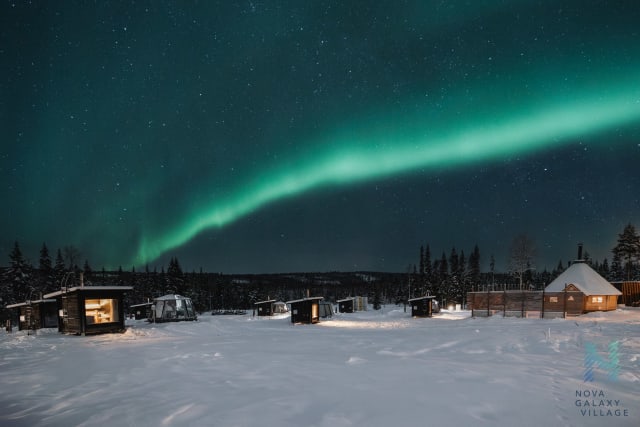
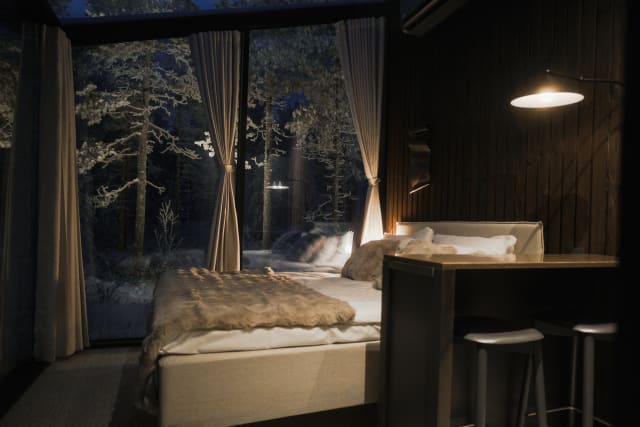
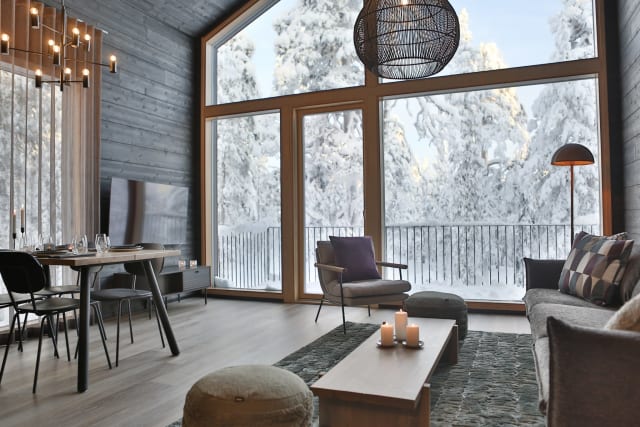
Kaamos is the Finnish word for the polar night: the weeks in midwinter when the sun doesn’t rise above the horizon. It may sound bleak, but the midday twilight and the snow make it a surprisingly colourful time, with a few hours of deep blue twilight each day, snow that glows in the dark and long nights for the northern lights.
Where and for how long
The polar night reaches as far south as about 67.4°N, which in Finland means roughly from Sodankylä northwards. The further north you go, the longer it lasts:
| Place | Sun on the shortest day | Polar night |
|---|---|---|
| Rovaniemi | about 2¼ hours | none |
| Sodankylä | none | a few days around the solstice |
| Levi | none | about 3 weeks, mid-December to New Year |
| Saariselkä | none | about a month, early December to early January |
| Inari | none | about 40 days |
| Utsjoki | none | about 50 days, late November to mid-January |
These figures are calculated for a flat horizon; in real life fells and forests hide the low sun for longer, and terrain and the exact definition used shift the dates by a few days. Our month pages, such as Lapland in December, show the daylight for every month.
What the light is like
The polar night isn’t 24 hours of darkness. Around midday the sun is only just below the horizon, and there are hours of twilight: on the shortest day about six hours in Rovaniemi and around four even in Utsjoki, counting sunrise to sunset plus civil twilight. The southern sky glows pink and orange while the snow and the northern sky turn blue. Finns call this the blue moment.
On clear days the soft, low light lasts for hours; on cloudy days the twilight is grey and short. Snow makes a huge difference. A landscape under fresh snow reflects every bit of light, from the moon and the stars to a distant cabin window, which is why the dark weeks before the first proper snow feel darker than the polar night itself.
How cold it gets
January is usually the coldest month. At Rovaniemi Airport the average January temperature is around −10 °C (1991–2020 reference period), and in cold spells temperatures in Lapland can drop below −30 °C. The lowest temperature ever measured in Finland is −51.5 °C, at Pokka in Kittilä in January 1999. On fell tops and open lakes the wind makes it feel colder still.
Dressing well turns the cold into something to enjoy:
- Layers: a base layer of wool or synthetic fabric, a warm mid layer of wool or fleece and a windproof outer layer. Avoid cotton next to the skin.
- Feet and hands: insulated winter boots with room for thick socks, and mittens rather than gloves. Chemical hand and toe warmers help on long waits.
- Head: a warm hat and a scarf or neck gaiter to cover your face in the wind.
- Phone and camera: batteries drain quickly in the cold, so keep them in an inside pocket.
Many tour companies lend or rent thermal overalls, boots and mittens for their activities, so you don’t need to buy everything before you travel.
Making the most of the dark season
- Plan outdoor activities around midday, when the light is at its best: snowshoeing, skiing, or a husky or reindeer ride.
- Go out after dark too. The polar night is aurora season, and a starry, snowy night is worth a walk even without auroras.
- Ski on lit trails. Many resorts light their cross-country tracks, and gliding through a dark forest from one lamp to the next is something special.
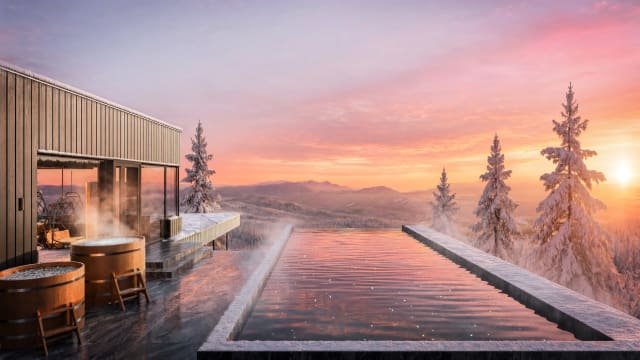
- Take a sauna, then roll in the snow or dip into a hole in the ice if you dare. Your hosts will show you where.
- Visit a museum on grey days: Arktikum in Rovaniemi and Siida in Inari explain the Arctic and Sámi culture.
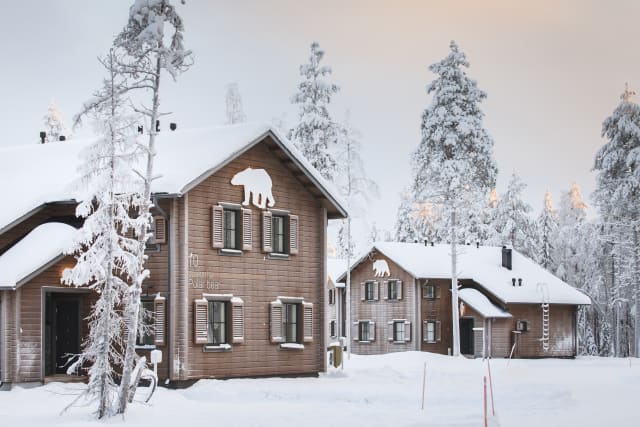
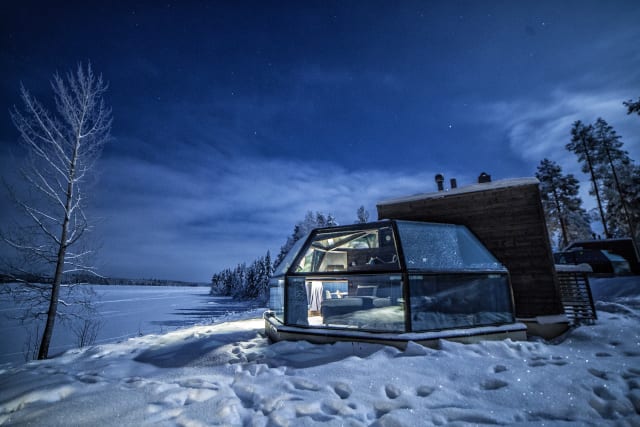
For a cosy base, look for a cabin with a private sauna, and read our guide to the northern lights.